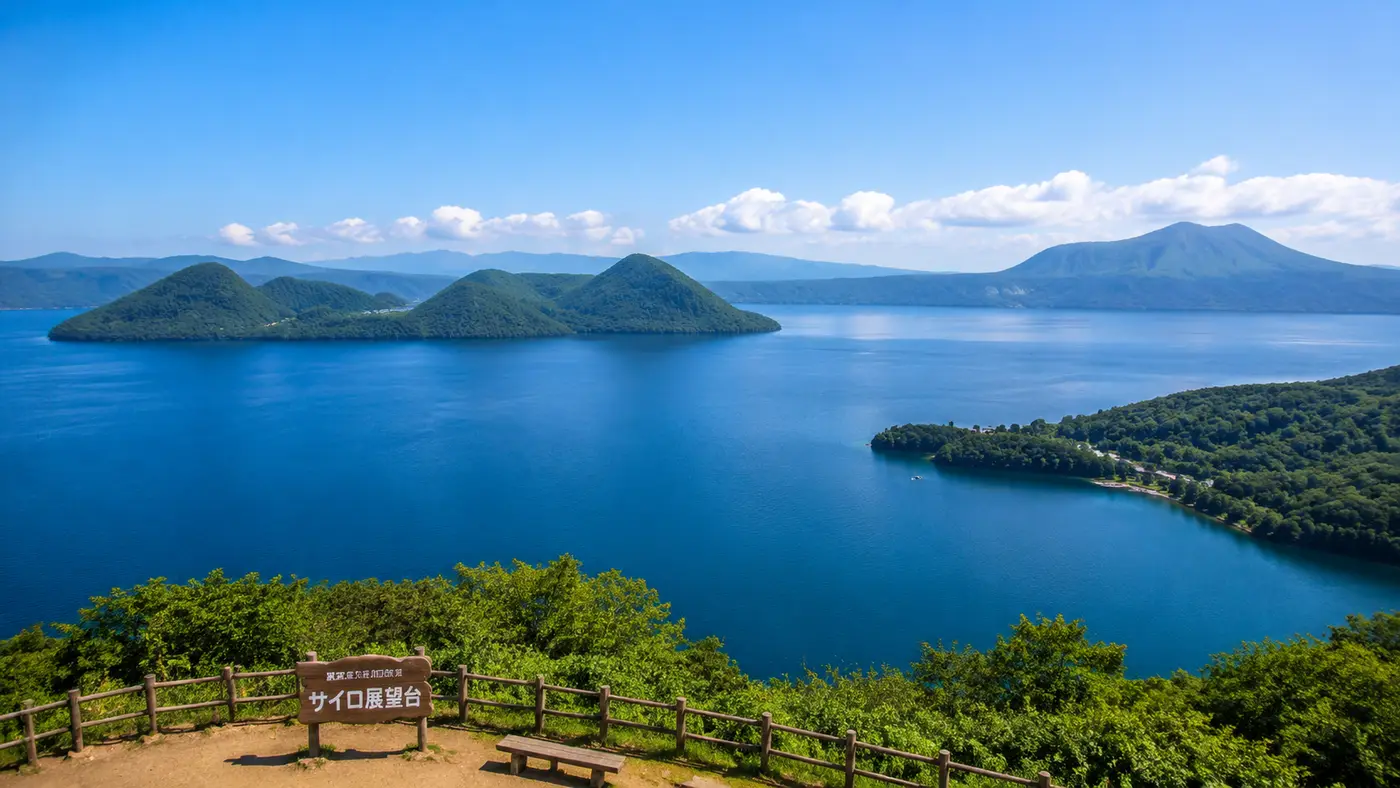
Best Time to Visit Lake Toya
Most guidebooks pretend Hokkaido is only worth your time during the deep powder of February or the lavender swells of mid-July. That sort of thinking means you miss the quiet drama of the caldera lakes. When people ask me about the best time to visit lake toya, I usually tell them it depends on how much you hate freezing wind, or conversely, how much you detest tour buses blocking your view of Mount Usu. The lake never freezes over, even in sub-zero blizzards, because geothermal heat keeps the water churning from beneath. It stays ink-blue against the snow, which is something you simply do not see in Sapporo or Asahikawa.
Planning around this pocket of southwestern Hokkaido takes a bit of realism. The weather shifts quickly when coastal moisture pushes up from Uchiura Bay, colliding with the cold volcanic ridges. Whether you want to hike the active craters, sit outside in a sulfur bath while pine needles drop around you, or watch pyrotechnics burst over the ripples every single night for half a year, each season hands you a totally different town.
Book your lake toya experience:
Spring Blooms: Why May Could Be the Best Time to Visit Lake Toya
Hokkaido takes its sweet time waking up from winter. While Tokyo is already sweating through humid afternoons in late April, the grounds around Toyako are still shaking off frost. Early spring can feel a bit scruffy. The grass along the promenade looks pale and beaten down by months of heavy slush, and the wind coming off the water carries a nasty bite if you forget a windbreaker.
Then mid-spring hits. The lake toya cherry blossom window generally peaks right around the first week of May, sometimes slipping into the second week if the northern winds linger. It coincides directly with Golden Week, which makes room rates jump, but walking beneath the pale pink canopies along the northern rim at Takarada Fureai Park without another tourist in sight makes up for the expense. I spent three hours there on a chilly Tuesday watching the petals drift into the shore stones. You look past the branches and Mount Yotei still wears its winter snowpack like a sharp white cone in the far distance.
Visiting lake toya in may also means the seasonal boat services run at full capacity again. The passenger ferries head over to Nakajima Island, where you can walk through old-growth forests of spruce and oak. The undergrowth has not gotten tangled or buggy yet. You might catch sight of the local sika deer herd stepping across the forest trails. They were introduced decades ago and basically own the interior of the island now.
Pro tip: Grab morning coffee and a pastry at Hydra or one of the small bakeries near Sobetsu before walking the lakeside path in early May; the morning mist usually burns off right around 8:15 AM to reveal Yotei.
By late May, the daytime temperatures crawl up to around 17 degrees Celsius. It is mild enough for lightweight jackets, though you will definitely want a wool sweater once the sun slips behind Mount Showa-Shinzan. The evenings stay crisp, which keeps the lakeside strolls brisk and pleasant.
Summer Nights: Is July the Best Time to Visit Lake Toya?
Summer brings long days and big energy. The lake toya weather between late June and late August is easily the sunniest of the year, averaging around 24 degrees Celsius during midday. That sounds tame compared to Kyoto or Tokyo, and it is. People from the southern islands escape here specifically to dodge the soul-crushing humidity. You can kayak on water so clear that you see sunken volcanic rocks fifteen feet down, or rent an old mamachari bicycle and pedal around the perimeter road, stopping at roadside farm stalls for cold melon.
The main event throughout the warm months is the nightly fireworks display. Running every evening from late April until the end of October, small boats motor across the bay launching rockets into the dark. It is not a massive, thirty-minute stadium spectacle, but rather a gentle twenty-minute ritual that drifts along the shoreline hotels. You can read more about how the launches work in this detailed guide to the Lake Toya Fireworks Festival, which covers the best shore vantage spots away from the tour bus drop-offs.
There is a catch to all this sunshine. Summer is peak season. The lakeside promenade fills with chatter, tour groups load into ferries every twenty minutes, and finding an affordable lakefront hotel room requires booking months in advance. If you prefer solitude, summer might frustrate you. Yet sitting on a hotel tatami balcony in a light yukata with a cold Sapporo Classic while the fireworks echo across the water makes the crowds easy to forgive.
Note: July brings sudden afternoon thunderstorms off the mountains; if you are paddling on the water, head to shore the second the sky darkens over Mount Usu, as waves pick up fast.
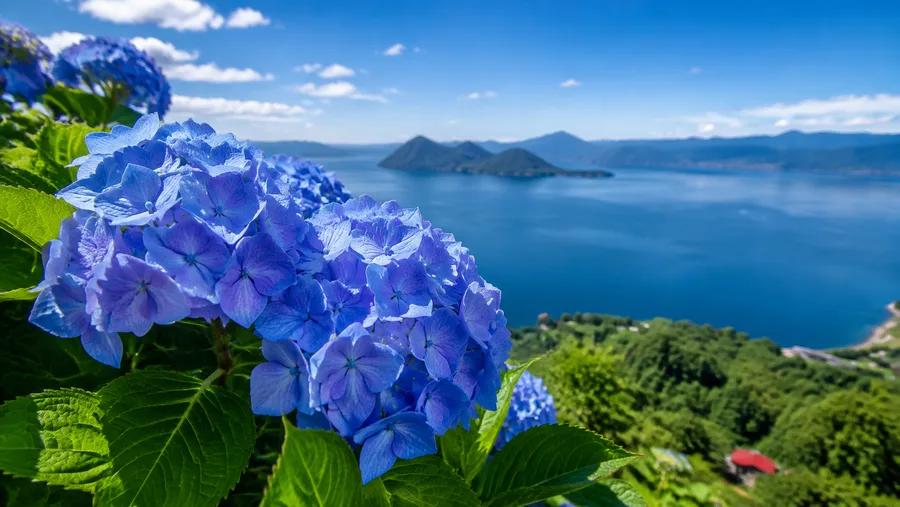
Lake Toya Autumn: Golden Foliage and Quiet Roads
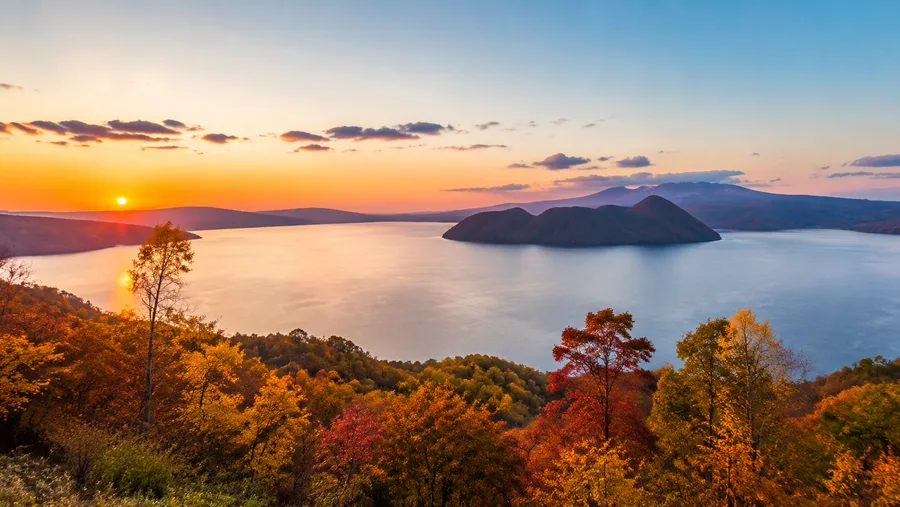
September lets out a huge sigh of relief. The big summer crowds taper off once schools resume, but the water remains warm enough for early-morning paddleboarding. The air dries out. By the time October rolls around, the hillsides framing the caldera ignite with fiery reds, burnt oranges, and brilliant yellows. For my money, late October is quietly the best time to visit lake toya if your priority is scenery and peaceful walks.
The foliage here has a distinct look because of the diverse mountain mix: Japanese rowan, maple, birch, and larch trees grow alongside dark green conifers. The contrast against the deep cobalt lake is stunning. Driving up to the Silo Observation Deck around October 20th gives you a panoramic view that looks almost painted. You can smell woodsmoke and damp earth everywhere you go.
Things slow down significantly during lake toya in november. The trees drop their leaves, leaving bare gray branches against steel-colored skies. Many seasonal fruit stands along Route 453 shut their shutters until spring. High temperatures drop down to single digits, hovering around 6 or 7 degrees Celsius. It can look slightly bleak to the casual passerby. But if you want rock-bottom hotel rates, empty outdoor baths, and moody walks along quiet gravel paths, November holds a subtle, melancholic charm that I personally love.
- Early to mid-October: Forest hiking trails are dry, daylight remains plentiful, and farm stands sell fresh Toyako apples and roasted corn.
- Late October: Peak autumn foliage paints the caldera walls, though morning temperatures frequently flirt with freezing.
- Mid-November: First dustings of snow settle on the peaks, tourist numbers hit an annual low, and hotel onsen feel exceptionally restorative.
- Late November: Lake breeze turns biting, boat rides to the center island stop operating, and winter preparations begin across town.
Book your lake toya experience:
Lake Toya Winter: Crisp Days and Lake Toya in December
Winter in this caldera is strange and beautiful. When people think of lake toya winter, they assume the town shuts down like some abandoned alpine outpost. It does not. The hot spring town stays fully active, steam rolling out of streetside drains and vent pipes into the icy mountain air. The water itself stays completely open, a sapphire mirror surrounded by white hills, because the caldera is nearly 180 meters deep and warmed by geothermal vents below.
Arriving at lake toya in december means stepping into a postcard of snowy stillness. The nightly fireworks stop at the end of October, replaced in winter by an illuminated tunnel of lights in the center of town. It looks a bit touristy, sure, but walking through hundreds of thousands of tiny glowing bulbs while fresh powder falls silently on your coat has its own retro romance. The local restaurants serve steaming pots of hot soba topped with local smelt and hearty bowls of scallop ramen that taste ten times better after walking thirty minutes in a snow squall.
Winter is also when you will appreciate the mineral waters most. Soaking in an outdoor bath with snowflakes melting on your forehead while you gaze at the steaming, dark caldera is an unforgettable experience. Before you book your stay, check out this comprehensive Lake Toya Onsen Guide to see which hot spring baths offer direct lake panoramas without high concrete fences in your line of sight.
Driving requires real caution. The winding descent down Route 230 from Rusutsu or Sapporo gets heavily packed with ice. If you are not comfortable steering through whiteout conditions, take the JR train to Toya Station instead and hop on the local Donan Bus straight into the hot spring district.
Comparing Seasons: Which Month Fits Your Trip?
Deciding when to show up comes down to the trade-offs you are willing to make between weather, crowds, and seasonal sights. You cannot have empty lakeside trails and balmy swimming weather at the same time. The spring thaw gives you empty paths, but the foliage is sparse until May. Summer provides festival energy, but costs climb fast. Fall yields dramatic scenery, while winter strips away the distractions entirely.
| Season | Average Temp (C) | Crowd Level | Main Draw | Drawback |
|---|---|---|---|---|
| Spring (Apr - May) | 5 to 16 | Moderate | Cherry blossoms & crisp air | Chilly nights & bare trees early on |
| Summer (Jun - Aug) | 18 to 25 | High | Nightly fireworks & boating | Expensive rooms & crowded buses |
| Autumn (Sep - Nov) | 4 to 19 | Low to Moderate | Caldera foliage & local harvest | Short days & colder rain |
| Winter (Dec - Mar) | -5 to 2 | Low | Snow scenery & outdoor hot springs | Icy roads & limited island ferries |
Plan your packing carefully around the regional microclimate. Lake breezes drop the perceived temperature by at least three or four degrees compared to inland towns like Date or M Date. A windproof outer shell is mandatory from October through mid-May, even on days when the sun looks bright through your hotel window.
- What to pack for spring: layered fleece, waterproof walking shoes for slushy trail edges, and a warm hat for windy ferry crossings.
- What to pack for summer: UV protection, breathable linen layers, mosquito repellent for walks on Nakajima Island, and light slip-on sandals.
- What to pack for autumn: thermal base layers, a lightweight down jacket, and comfortable grip shoes for leaf-strewn volcanic slopes.
- What to pack for winter: insulated boots with deep treads, thermal socks, touchscreen-friendly gloves, and moisture-rich lip balm against dry wind.
Frequently Asked Questions about best time to visit lake toya
What is the absolute best month for photography at Lake Toya?
Mid-to-late October is hard to top. The caldera ridge is covered in gold and crimson leaves, Mount Yotei in the background often has its first snowcap, and the air is free of summer haze.
Is Lake Toya worth visiting in winter if I don't ski?
Yes. The town is built around hot springs and quiet winter views rather than ski runs. Watching the steamy, ice-free lake framed by deep snow while soaking in an outdoor bath is reason enough to visit.
Can you see Mount Yotei clearly all year?
Visibility depends on passing storm fronts, but clear winter mornings and dry October afternoons offer the highest chance of seeing Yotei unobstructed across the northern horizon.
Quick Reference
- Cherry blossoms peak around early to mid-May
- Nightly fireworks run late April through October
- Peak autumn foliage occurs between mid and late October
- Lake Toya never freezes completely during winter
- Public transit from Sapporo takes roughly two hours
Book your lake toya experience:
The Bottom Line
If you want easy hiking, outdoor dining, and nightly fireworks over the waves, aim for late August or early September when the worst of the summer heat has broken. If you care more about peace, dramatic light, and steaming hot baths with nobody splashing near you, book a lakefront ryokan during the quiet days of late autumn or mid-winter. Throw a warm jacket in your bag, take the slow train down through the mountains, and let the volcanic water do the rest.
Read more about lake toya.