Lake Toya Accommodation Guide
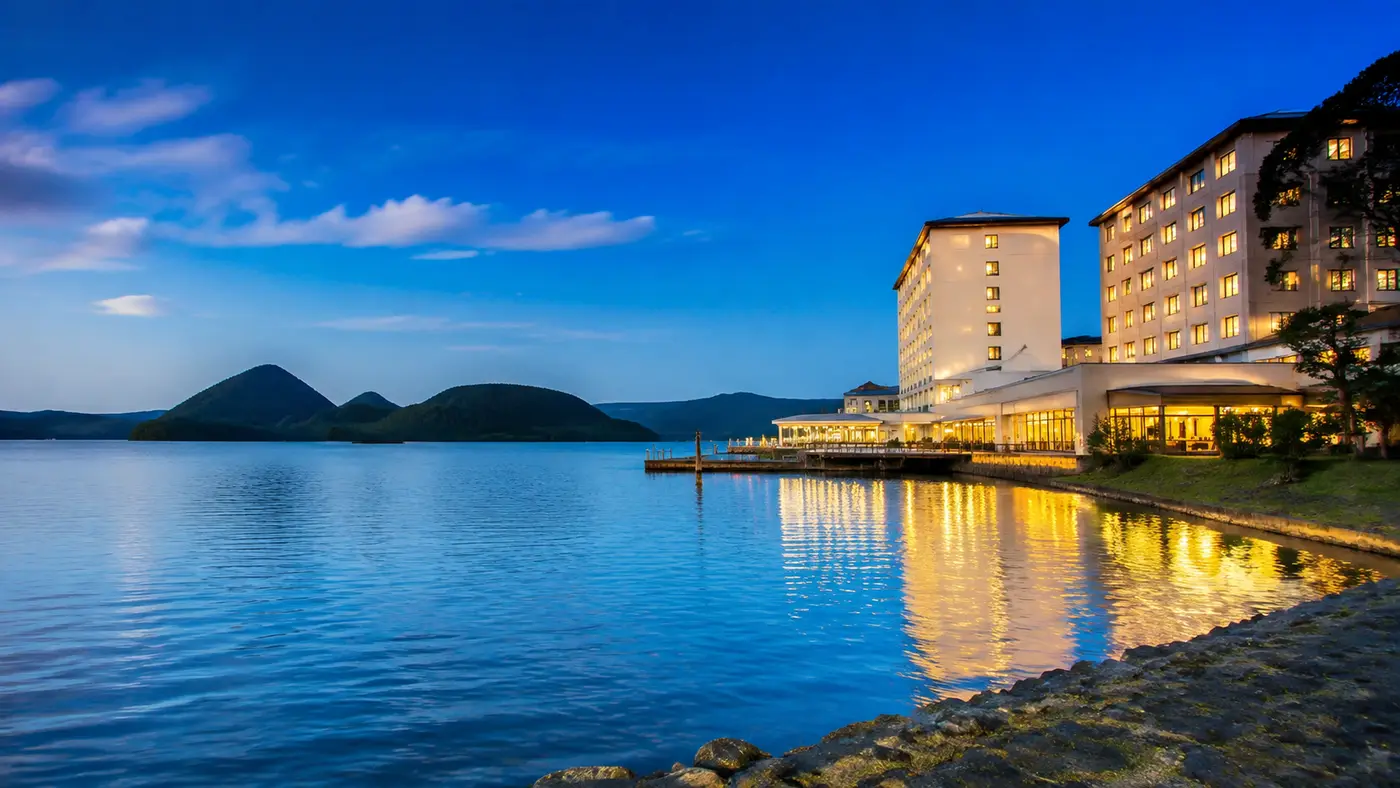
Finding the right lake toya accommodation comes down to a simple choice: do you want to wake up right against the water in the hot spring district, or would you rather perch 600 meters above the caldera on an isolated mountaintop? Most people default to the strip of hotels lining the southern shore, which makes sense if you want to walk outside in a yukata and watch the nightly fireworks drift across the water. Others want total silence, deep forests, or self-contained cabins tucked into apple orchards.
I spent weeks drifting between grand showpiece resorts, aging Showa-era ryokan, lakeside glamping domes, and quiet rental cottages around the lake's 43-kilometer shoreline. The accommodation scene here is surprisingly varied. It ranges from monumental luxury properties that once hosted world leaders to modest, family-run inns where dinner is served on a low table in your room at precisely 6:00 pm. This guide breaks down where to stay based on how you travel, what you want to spend, and what kind of view you care about most.
Book your lake toya experience:
Choosing the Right Base Around Lake Toya
The geography of the lake dictates your entire stay. The southern shoreline, known as Toyako Onsen, holds roughly 80 percent of all lodging. It is dense, walkable, and packed with hot spring baths, souvenir shops, ramen spots, and boat piers. If you arrive by train at JR Toya Station and catch the local Donan Bus, this is where it drops you after a 21-minute climb up the hill. You do not need a rental car here. Everything you need sits within an eight-block pedestrian grid.
The northern and eastern shores tell a completely different story. Out toward Sobetsu and the quiet hamlet of Nakatoya, the hotels disappear, replaced by small fruit farms, private holiday homes, and seasonal campgrounds. It feels untouched. The water is often glass-calm in the mornings because the mountains block the prevailing westerly winds. Staying out here requires your own wheels, but the payoff is absolute peace.
Then you have the high ridges of Mount Poromoi to the west. This is where you find the dramatic, sweeping panoramas over both the lake and the Pacific Ocean. It gets windier up there, and temperatures run three or four degrees cooler than down at the lakefront. Fog can roll in fast, swallowing the entire caldera in white mist for hours at a time, but when the sky clears, nothing in Hokkaido touches that view.
Top Lakeside Onsen Hotels and Ryokan
For most visitors, a traditional hot spring hotel right in town represents the quintessential Toya experience. These properties are built around two things: expansive public baths fed by mineral-rich geothermal waters and lake-facing rooms that give you a front-row seat for the Lake Toya Fireworks Festival, which runs every single night from late April through October.
The Lake View Toya Nonokaze Resort is easily the standout among modern properties. The lobby hits you immediately with floor-to-ceiling glass framing the lake and Mount Yotei. The top-floor open-air bath makes you feel like you are soaking directly in the caldera, especially around sunrise when steam rises off the surface. Rooms are quiet, sleek, and come with wide picture windows. If you book here, opt for the Club building if you prefer private lounge access and quieter dining rooms, though the standard Nonokaze wing is already exceptional. Dinner is a sprawling buffet of Hokkaido seafood, local beef, and seasonal vegetables that ruins you for standard hotel buffets.
Pro tip: Request a room on the fifth floor or higher in Toyako Onsen hotels. Lower floors often have their water views partially blocked by lakeside trees or the paved walking promenade.
A few doors down sits Toyako Manseikaku Hotel Lakeside Terrace. It is larger, busier, and carries a classic Japanese resort feel. While parts of the property reflect its older pedigree, the renovated east wing rooms and the revamped open-air infinity onsen, complete with cedar tubs and stone basins, are brilliant. It caters well to families, with extensive buffets and relaxed lounge areas where you can grab a local craft beer after soaking.
If you want a more traditional atmosphere without mega-resort bustle, Kohantei offers tatami-mat rooms, futons laid out while you eat dinner, and an open-air rooftop bath lined with natural rock. It feels lived-in and nostalgic. Sitting in the outdoor bath on an autumn evening with a chilly breeze rolling off the water is worth the room rate alone. You can read more about water minerals and bathing etiquette in our Lake Toya onsen guide before you go.
- The Lake View Toya Nonokaze Resort: high-end contemporary design, superb buffet, infinity rooftop bath.
- Toyako Manseikaku Hotel Lakeside Terrace: versatile family favorite, renovated baths, excellent garden terrace.
- Toya Kohantei: classic ryokan charm, rooftop open-air onsen with sweeping caldera views.
- Yutorelo Toyako: pet-friendly option with tatami rooms and private bath booking slots.
The Luxury Scene: Mountaintop Vistas and Designer Hideaways
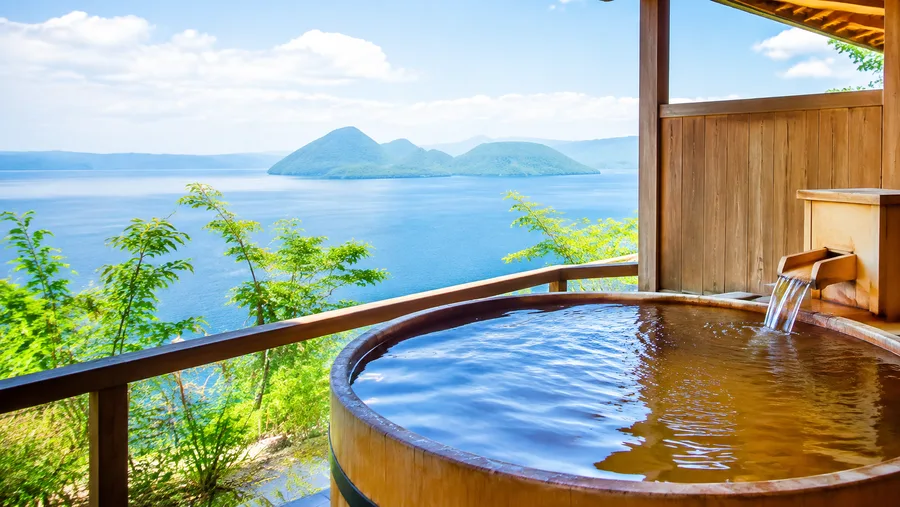
If budget allows, Lake Toya is home to two of Hokkaido's most remarkable high-end retreats. They approach hospitality from opposite extremes: one grand and theatrical, the other intimate and architectural.
The Windsor Hotel TOYA Resort & Spa sits alone atop Mount Poromoi, surveying the entire region from 625 meters above sea level. It became globally famous during the 34th G8 Summit in 2008, and the grandeur remains intact. The atrium features soaring glass walls, live harp or violin performances in the afternoons, and sweeping views that take in Lake Toya to the east and Uchiura Bay to the west. Rooms are vast by Japanese standards. The property houses top-tier French dining, an indoor pool framed by glass, and a pristine golf course. It is an extraordinary lake toya luxury hotel, though you must accept that you are a 25-minute drive from the lakefront itself. You do not just pop into town for a quick snack.
On the quiet northern shore, WE Hotel Toya presents an entirely different luxury experience. Renowned architect Kengo Kuma designed the property, wrapping interiors in dramatic pleated fabric and pale cedar wood that evokes the feeling of being inside a modern forest shrine. With only about 30 rooms, the scale is peaceful. Every single room features a private wooden soaking tub out on the balcony, facing the untamed waters of the north shore. The dining highlights local ingredients from nearby farms in Date and Makkari. It is subtle, stylish, and perfect for travelers who want to avoid tour buses.
Note: Mountaintop properties like The Windsor frequently get enveloped in thick fog during early summer mornings, which completely obscures the lake until midday sun burns it off.
| Property | Location | Best For | Average Price (2 guests) | Private Onsen |
|---|---|---|---|---|
| The Lake View Toya Nonokaze Resort | Toyako Onsen (South Shore) | Modern lakeside luxury & fireworks | ¥42,000 - ¥65,000 | Select rooms only |
| The Windsor Hotel TOYA | Mount Poromoi Ridge | Monumental views, fine dining | ¥58,000 - ¥95,000 | No (large public spa) |
| WE Hotel Toya | North Shore (Toya Town) | Minimalist architecture, romance | ¥48,000 - ¥72,000 | Yes (balcony wooden tubs) |
| Toya Kohantei | Toyako Onsen (South Shore) | Traditional ryokan experience | ¥22,000 - ¥36,000 | Available to rent |
| Toya Sun Palace Resort & Spa | Toyako Onsen (East edge) | Families with children, waterpark | ¥26,000 - ¥44,000 | No |
Book your lake toya experience:
Alternative Stays: Cabins, Rentals, and Glamping
Not everyone wants a formal hotel dinner or a shared onsen hallway. The vacation rental market around Lake Toya has expanded quickly, driven by travelers who prefer cooking their own meals, lighting a fire pit, and waking up without housekeeping schedules.
You can find charming lake toya airbnb properties tucked into the hills behind Sobetsu. Many of these are timber-built chalets originally constructed as summer getaways for Sapporo residents. They often feature wood-burning stoves, large wrap-around decks, and full kitchens. Staying in an orchard cottage means you can buy fresh apples, plums, and local vegetables from roadside farm stands, pick up Wagyu steaks from the butcher in Date, and spend the evening grilling outside. It gives you an authentic sense of rural Hokkaido living that big resorts cannot replicate.
Outdoor lodging has also found a footing here. Lake toya glamping sites have emerged near Takarada and the western shoreline. These setups typically provide spacious geodesic dome tents equipped with heating, real beds, and private barbecue shelters. Sleeping under canvas while listening to the lake water lap against the pebbles is magic, especially during late spring and early autumn when the air is crisp and the night sky is crowded with stars. It is glamping done properly, with enough thermal insulation to keep you comfortable when mountain temperatures plunge toward single digits overnight.
- Self-contained chalets: best for longer stays, groups, and self-caterers with a rental car.
- Geodesic glamping domes: ideal for warm-weather months, combining campfire culture with real mattresses.
- Lakeside campgrounds: budget-friendly tent pitches right along the water in Greenpia and Nakatoya.
Practical Booking Tips and Seasonal Trade-offs
Timing your booking is everything in Lake Toya. The high season stretches from late June through late August, and again during the peak autumn foliage window in mid-October. During these periods, lakefront rooms book out three to five months in advance. If you visit between May and October, always confirm that your room faces the water. Paying a discount for a mountain-facing room in Toyako Onsen usually means staring straight into a hillside retaining wall or a parking lot, which defeats the purpose of being there.
Meal plans require careful consideration. Most traditional ryokan and mid-tier hotels sell rooms on a half-board basis (breakfast and dinner included). I strongly recommend taking the dinner plan at least for your first night. The town of Toyako Onsen has only a handful of independent restaurants, and they fill up fast or close abruptly by 7:30 pm. Walking around town in the rain trying to find an open table after a long drive from New Chitose Airport is miserable.
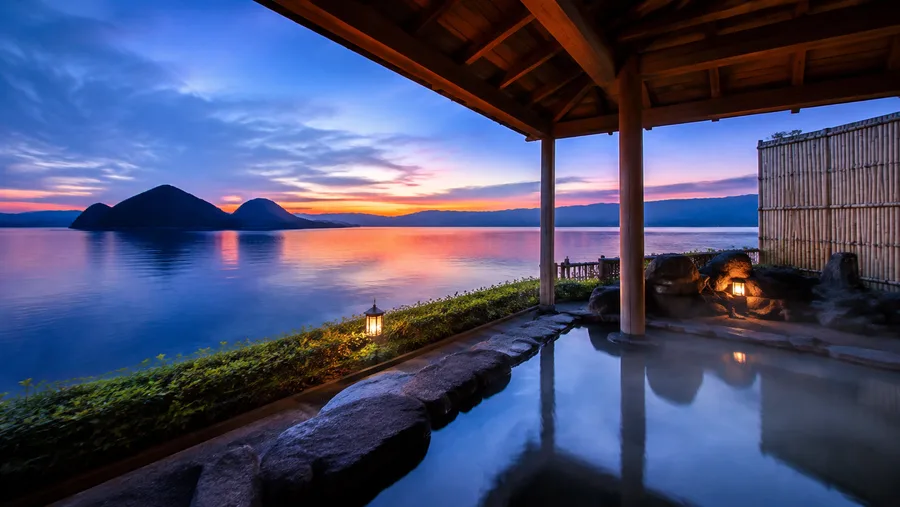
Winter changes everything. The fireworks stop, crowds thin out, and room rates drop by almost 40 percent outside the New Year holiday. The lake never freezes because of its volcanic warmth, creating a moody contrast between dark open water and snow-covered banks. Soaking in an outdoor bath while snow falls on your shoulders is one of the finest cold-weather experiences in Japan. Just make sure you are confident driving on hard-packed snow and ice if you book outside the main bus corridor.
Frequently Asked Questions about lake toya accommodation
Is it better to stay in Toyako Onsen or on the mountaintop?
Stay in Toyako Onsen if you want direct access to the water, nightly fireworks views from your balcony, and walkable restaurants. Choose the mountaintop, specifically The Windsor, if you want quiet luxury, panoramic sea-and-lake views, and do not mind driving down to the water.
Can you watch the fireworks directly from hotel rooms?
Yes, provided you book a lake-facing room in the Toyako Onsen district. The fireworks boat travels across the bay from 8:45 pm to 9:05 pm every night from late April through October, making them visible from almost every waterfront hotel balcony.
Do I need a rental car for my accommodation?
If you stay in Toyako Onsen town, you can manage fine using the Donan Bus from JR Toya Station. If you stay on the north shore, in Sobetsu chalets, or at glamping sites, a rental car is practically mandatory.
Quick Reference
- Fireworks run nightly May through October
- Toyako Onsen is fully walkable without a car
- Half-board meal plans are highly recommended
- Winter room rates drop roughly 40 percent
Book your lake toya experience:
Before You Book
Pick your accommodation based on how you want your evenings to feel. If you crave the hum of a lively onsen town, fireworks over the water, and an early-morning stroll along the lakeshore sculpture park, reserve a lakefront room in Toyako Onsen well ahead of time. If you prefer quiet solitude, book a designer suite on the north shore or rent a timber cottage out in the Sobetsu orchards. Lake Toya rewards travelers who match their lodging to their pace, so lock in your spot, prepare for long soaks in volcanic mineral water, and enjoy one of Hokkaido's great landscapes.
Read more about lake toya.