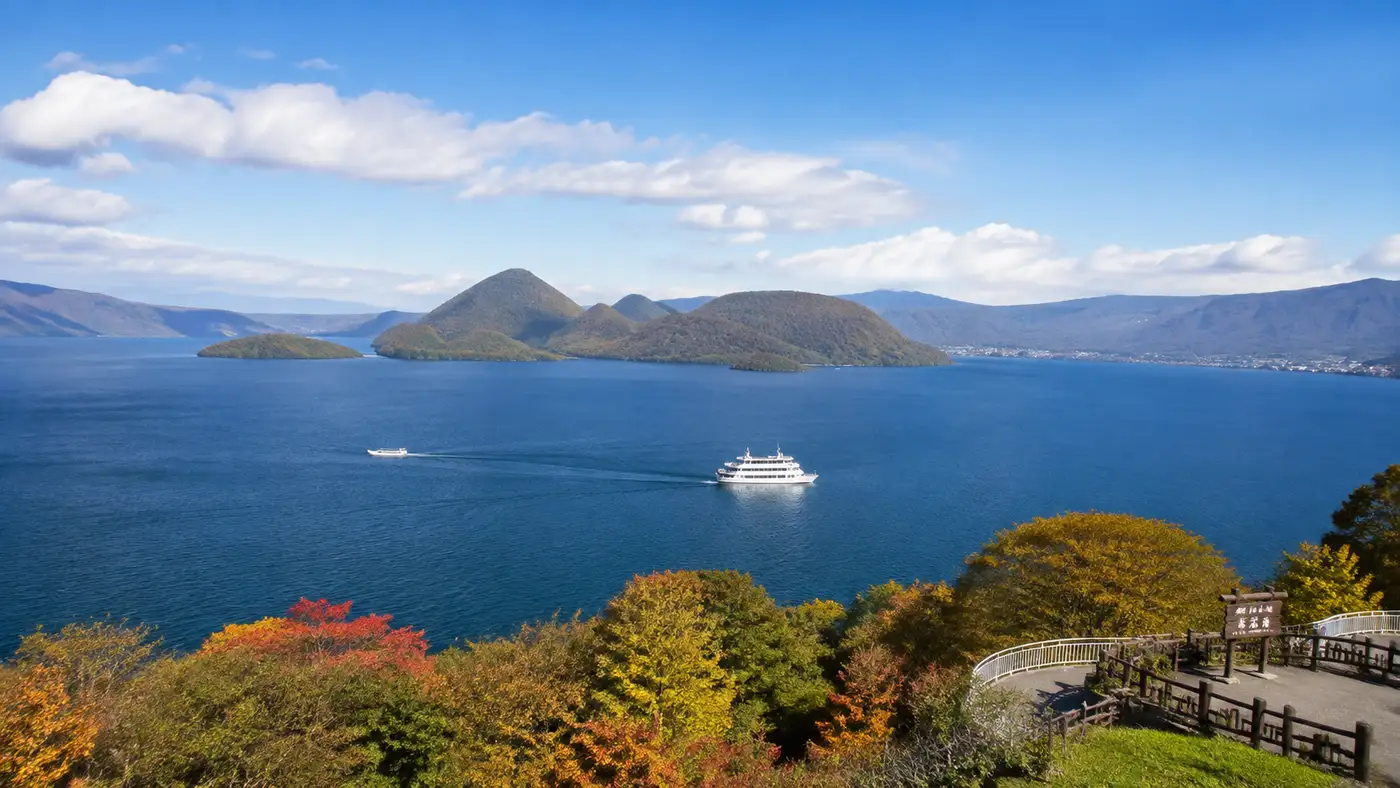
How to Get to Lake Toya
Getting out of Sapporo and heading south toward the volcanic hills of Shikotsu-Toya National Park sounds simple enough on a map, but the geography catches people off guard. The lake is a massive, circular caldera ringed by steaming vents and cedar-lined hills, yet none of the express trains pull right up to the water. Figuring out how to get to lake toya comes down to picking whether you want the pure speed of the rails, the zero-transfer ease of a highway bus, or the complete freedom of your own four wheels on the winding passes.
Every option has quirks that can eat up an afternoon if you do not plan ahead. Trains leave you miles away at a sleepy coastal station, buses run on strict rural schedules, and mountain driving changes dramatically depending on whether you visit in July or January. Here is everything you need to know about navigating the transit network, sorting through schedules, and reaching the lakeshore without wasting your precious holiday hours standing confused on a windy platform.
Taking the JR Train: The Fastest Route from Sapporo or Hakodate
If you want speed, the train is your best bet. The JR Limited Express Hokuto runs regularly along the coast, linking Sapporo in the north to Hakodate in the deep south. It takes roughly 108 minutes from Sapporo Station to Toya Station, and the train rides are smooth, quiet, and scenic. A one-way ticket with a reserved seat costs around 5,920 yen. If you hold a national Japan Rail Pass or a regional JR Hokkaido Rail Pass, this entire train leg is fully covered, which makes it an absolute no-brainer for pass holders.
There is a massive catch that trips up first-timers every week. JR Toya Station is not at Lake Toya. The station sits down by the sea in the coastal township of Abuta, separated from the lake basin by a steep, forested ridge. When you step off the train, you are still about seven kilometers away from the hot spring hotels and the shore.
To reach the water, you must catch a local Donan Bus right outside the station doors. The bus to the Toyako Onsen bus terminal takes about 20 minutes, winding through quiet residential streets before climbing a steep switchback through the hills and dropping into the caldera. The fare is 340 yen each way. You pay the driver in cash when you get off, or tap a local IC card if the reader happens to be working on that specific bus, though cash remains the safest bet out here in rural Iburi.
Note: Train and bus timetables do not always sync up perfectly. You will occasionally find yourself waiting 25 to 40 minutes outside JR Toya Station between the train arrival and the next bus departure, so do not plan tight dinner reservations right after your arrival.
If you miss the bus or do not feel like waiting with a heavy suitcase, local taxis usually wait in a short line outside the station exit. A cab ride up to the main hotel strip on the lake costs about 2,600 yen and takes just ten minutes. If three or four of you are traveling together, splitting a taxi is well worth the extra few hundred yen to skip the bus queue entirely.
Book your lake toya experience:
Direct Highway Buses: The Budget Choice for Lake Toya from Sapporo
For travelers watching their budget or anyone hauling heavy luggage who dreads changing vehicles halfway through the trip, the direct highway bus from Sapporo is a fantastic alternative. Donan Bus operates direct services connecting the Sapporo Station Bus Terminal to Toyako Onsen. The ride takes about 2 hours and 45 minutes, weaving through the mountains along Route 230 rather than following the coastal rail tracks.
The single fare sits right around 3,400 yen, making it substantially cheaper than the Limited Express train. Better yet, the bus drops you directly at the Toyako Onsen bus terminal, right in the heart of the resort town and within an easy walk of most waterfront hotels. You put your large bags in the luggage bay underneath in Sapporo, sit back, and do not touch them again until you step off right by the water.
The trade-off is frequency. These highway buses only run four or five times a day. While the lake toya bus schedule is reliable and rarely runs late in summer, you cannot just show up at the station and assume a seat is waiting for you. Advance reservations are strongly recommended, especially during the summer holiday weeks in August and throughout the autumn foliage season in October.
Pro tip: Book your Sapporo-to-Toya highway bus at least three days in advance through the Japan Bus Online website, especially if you plan to travel on a Friday afternoon or Sunday evening when weekend trippers flood the route.
Seats are comfortable, usually set up in a standard two-by-two configuration with recliner seats, cup holders, and overhead parcel racks. There is usually a short ten-minute rest stop halfway through the journey near Nakayama Pass, giving you just enough time to hit the restroom, grab a hot canned coffee from the vending machines, and stretch your legs before the final descent toward the lake.
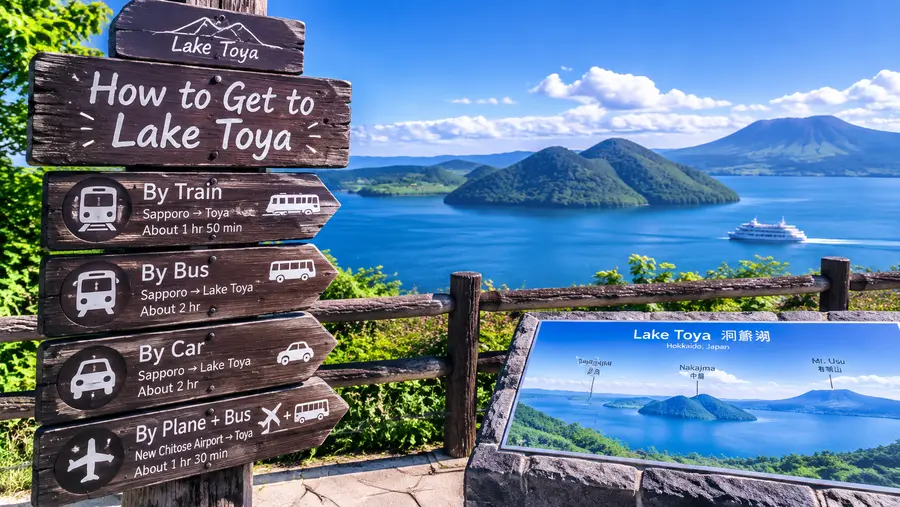
Comparing Your Transit Options
Deciding between rails, buses, and private vehicles comes down to where you are starting and what matters more: your transit budget or your schedule flexibility. The table below breaks down the primary routes from Hokkaido's major transit hubs.
| Route & Mode | Starting Point | Average Travel Time | Estimated Cost (One Way) | Best For |
|---|---|---|---|---|
| JR Limited Express + Bus | Sapporo Station | 2 hours 15 mins | 6,260 yen | JR Pass holders & travelers short on time |
| Direct Donan Highway Bus | Sapporo Station | 2 hours 45 mins | 3,400 yen | Budget travelers & solo backpackers |
| Rental Car (via Route 230) | Central Sapporo | 2 hours | 5,500 - 8,000 yen (gas/rental) | Families & travelers exploring multiple viewpoints |
| JR Train + Local Bus | Hakodate Station | 2 hours | 5,830 yen | Travelers moving north from southern Hokkaido |
| JR Train + Bus (via Minami-Chitose) | New Chitose Airport | 1 hour 50 mins | 5,600 yen | Direct international or domestic flight arrivals |
Book your lake toya experience:
Renting a Car: Lake Toya Car Rental and Mountain Passes
Hokkaido is made for driving. If you plan to hop between lookouts, visit remote farm cafes, or continue into the Niseko valley, picking up a lake toya car rental from either Sapporo or New Chitose Airport gives you unmatched freedom. Having your own vehicle turns a rigid transit schedule into a relaxed road trip, allowing you to stop whenever the light hits the volcanic peaks just right.
The drive south from Sapporo along National Route 230 is gorgeous. You roll past the hot spring gorge of Jozankei before climbing high into the mountains toward Nakayama Pass. At the crest of the pass, on a clear day, the snow-dusted cone of Mount Yotei suddenly bursts into view across the valley floor. There is a sprawling roadside service station at the summit where almost everyone pulls over to buy age-imo, deep-fried skewers of sweet local potatoes dipped in pancake batter that cost 450 yen. They are crispy, steaming hot, and practically mandatory eating for anyone making the drive.
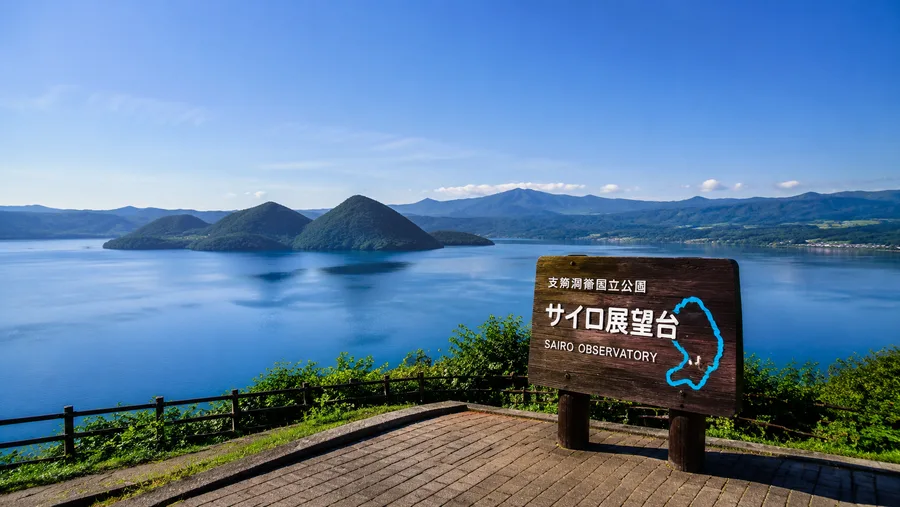
Driving gives you easy access to spots that lake toya public transport simply does not reach comfortably. The famous Silo Observation Deck on the western rim sits miles away from the main town, as do the scenic orchards along the southern slopes of Mount Usu. If you are piecing together broader Lake Toya itineraries & day trips, having a rental car saves hours of waiting at empty roadside bus shelters.
Winter, however, demands serious respect. Between late November and early April, Route 230 becomes an icy mountain corridor prone to sudden blizzards, black ice, and whiteout conditions. Road crews do an extraordinary job clearing the asphalt, and all rental cars in Hokkaido come standard with studless snow tires during winter months, but if you have never driven on packed snow, the sharp descent from Nakayama Pass into the Toya basin can be nerve-wracking. If winter driving sounds intimidating, stick to the rails.
- Pick up an ETC card: When you collect your rental car, ask the clerk for an electronic toll card to avoid stopping at manual toll booths on the Doo Expressway.
- Download offline maps: Cell coverage gets spotty in the mountain cuts around Jozankei, so save your route data ahead of time.
- Watch for deer: Ezo sika deer frequently wander onto Route 230 near dawn and dusk, especially through the forested bends before Rusutsu.
Connecting from New Chitose Airport and Noboribetsu
Landing at Hokkaido's main gateway and heading straight to the hot springs is straightforward. Getting from lake toya to chitose airport - or vice versa - requires one quick train transfer. There are no direct trains running straight out of the airport terminal to Toya, but the connection could not be simpler.
From the basement of New Chitose Airport, jump on the JR Rapid Airport train heading toward Sapporo. Ride it for just three minutes to the very first stop: Minami-Chitose Station. Cross the platform at Minami-Chitose and wait for the southbound JR Limited Express Hokuto heading toward Hakodate. The ride from Minami-Chitose to Toya Station takes roughly 75 minutes. Add in your transfer and the subsequent bus up to the water, and you will be checking into your lakeside ryokan in under two hours from landing. It is remarkably efficient.
Another popular regional route is heading from lake toya to noboribetsu, Hokkaido's other legendary hot spring town. Because both towns sit along the southwestern coastal transit belt, moving between them is a breeze. The JR Limited Express Hokuto covers the distance between Toya Station and Noboribetsu Station in just about 40 minutes. If you want to save cash and do not mind hard bench seats, local trains also run the line, taking about 65 minutes with stops at quiet fishing hamlets along Uchiura Bay. Once you arrive, you can soak in mineral-heavy baths, a ritual we detail in our complete Lake Toya onsen guide.
Navigating Local Lake Toya Public Transport
Once you actually reach the caldera rim, getting around without a car requires a bit of tactical planning. The core hot spring settlement, Toyako Onsen, is remarkably compact and walkable. You can wander from the local convenience stores to the ferry docks, the lakeside sculpture park, and the footbaths in under fifteen minutes. If you intend to stay within the central town limits, you do not need wheels at all.
Problems arise when you want to visit attractions outside the village center, such as the Usuzan Ropeway, Showa-Shinzan, or the northern shore. Donan Bus operates a seasonal shuttle connecting the Toyako Onsen bus terminal to the foot of Mount Usu and Showa-Shinzan. The ride takes around 15 minutes and costs 350 yen, but departures are sparse. During the warmer months from late April to early November, buses run four to six times daily. Come winter, this route often drops to just one or two departures, or stops running entirely depending on seasonal tourism staffing.
Keep these transit rules in mind while using local buses around the lake:
- Take a paper fare ticket: When boarding a local Donan Bus through the rear door, pull a small numbered slip from the dispensing box.
- Watch the fare monitor: Look at the electronic screen above the driver to see your stop's fare matching your paper slip number.
- Carry 1,000-yen notes and coins: The onboard change machines next to the fare box only break 1,000-yen notes, never 5,000 or 10,000-yen bills.
- Ask your hotel about free shuttles: Several major resorts, including the Windsor Hotel Toya and Sun Palace, run complimentary private shuttle buses directly from Sapporo Station for their staying guests.
If you are stranded at an attraction without an upcoming bus, ask the staff inside the ticket office or ropeway station to call a local taxi for you. Cabs in rural Hokkaido are reliable, metered, and typically arrive within ten to fifteen minutes. Expect to pay roughly 2,200 to 2,500 yen for a one-way ride between Showa-Shinzan and the main hot spring strip.
Frequently Asked Questions about how to get to lake toya
Does the Japan Rail Pass cover the entire journey to Lake Toya?
The JR Pass covers the Limited Express Hokuto train all the way to JR Toya Station, but it does not cover the Donan local bus that takes you from the station up to the lakeshore. You must pay 340 yen in cash for that final 20-minute bus ride.
Can I use a Suica or Pasmo IC card on the buses at Lake Toya?
Do not count on it. While major transit lines in Sapporo accept IC cards, rural Donan buses around Lake Toya frequently operate on traditional cash-fare boxes. Always carry small yen coins and 1,000-yen bills when boarding local buses.
How do I get to Lake Toya in the middle of winter?
The JR Limited Express train is by far the safest, most reliable method in winter. Mountain highways like Route 230 frequently suffer delays, black ice, and heavy snowstorms that can make driving hazardous for inexperienced winter motorists.
Is there a direct bus from New Chitose Airport to Lake Toya?
No regular direct public bus runs between New Chitose Airport and Lake Toya. You should take the JR train to Minami-Chitose, transfer to the Limited Express Hokuto down to JR Toya Station, and catch the local connector bus from there.
Quick Reference
- JR Train: ~108 mins from Sapporo to Toya Station (5,920 yen)
- Connecting Bus: 20 mins from Toya Station to the lake (340 yen)
- Direct Highway Bus: ~2 hours 45 mins from Sapporo (3,400 yen)
- Nearest Major Airport: New Chitose Airport (~90 mins by train)
- Local Taxis: ~2,600 yen from JR Toya Station to town
Book your lake toya experience:
The Bottom Line
Getting down to this volcanic corner of Hokkaido is far easier than it looks, provided you remember that the train station and the hot spring town are two separate places. If you have a rail pass, jump on the Limited Express Hokuto and enjoy the coastal views before hopping the local bus up the hill. If you are watching your budget, grab a seat on the highway bus from Sapporo, kick back, and let someone else navigate the mountain switchbacks. Either way, once you crest the caldera ridge and catch that first glimpse of the sun bouncing off the blue water, the journey feels entirely worth every minute of travel.
Read more about lake toya.