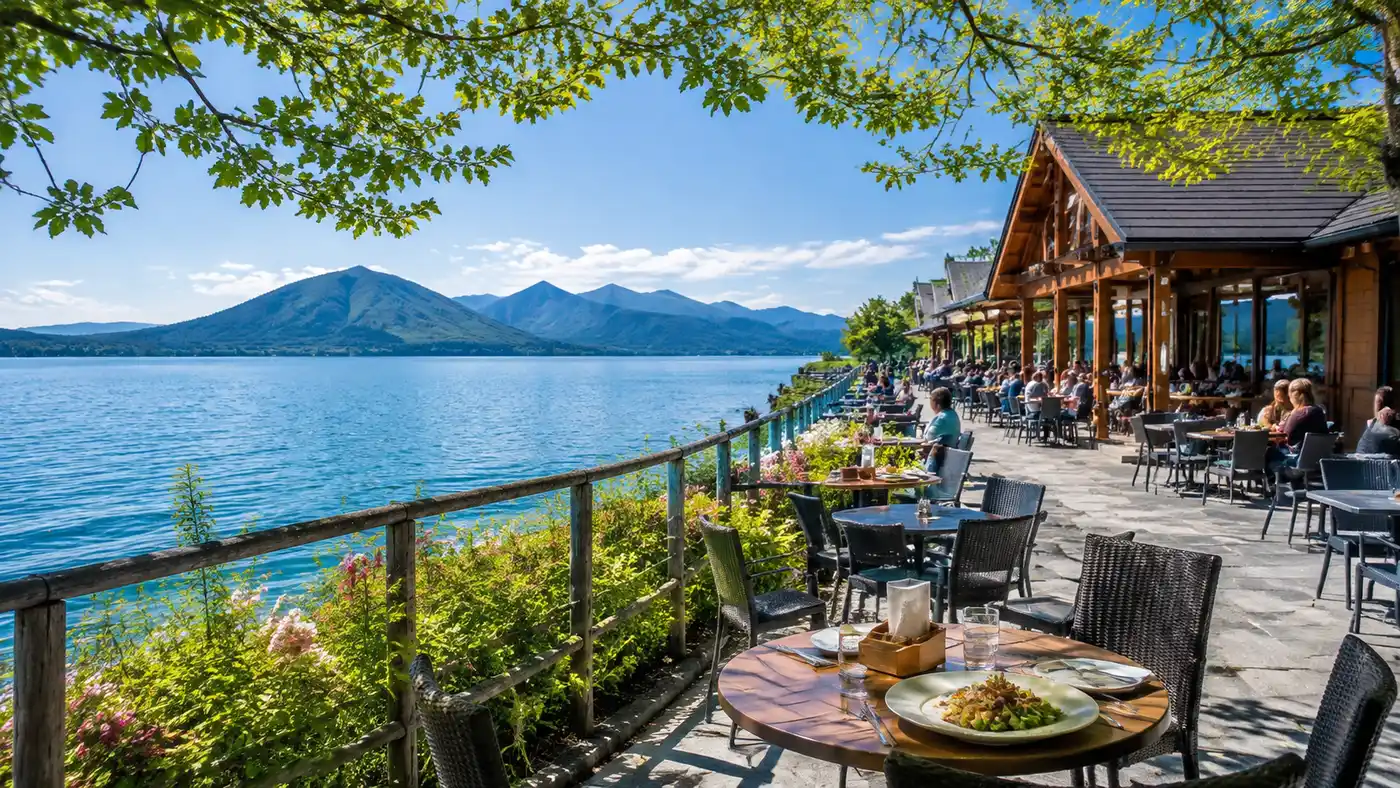
Lake Toya Restaurants & Dining
Most travelers arrive in this volcanic caldera expecting scenic boat rides and long baths, only to discover that finding dinner can turn into an unexpected puzzle. The lakeside strip looks quiet at dusk. Many visitors assume that a town built around tourism would have neon signs and izakayas running into the early hours, but lake toya restaurants operate on country time. Once the tour buses pull into the hotel driveways around 5:30 PM, the streets empty out fast.
That quiet exterior hides some remarkable food if you know where to walk. Toyako sits right between the fertile volcanic soils around Mount Usu and the cold waters of Uchiura Bay. Farmers grow sweet corn, potatoes, and red beans just up the hill, while fishermen bring in giant scallops and flounder down at the coast. Whether you want a bowl of Bib Gourmand miso ramen, charred wagyu beef raised on local pasture, or just a pastry on a cedar bench, eating here is surprisingly rewarding once you figure out the rhythms of the village.
Book your lake toya experience:
Historic Comfort Food and Lake Toya Best Restaurants
If you ask anyone who grew up coming to the onsen town where to eat, they will probably point you toward Boyotei. It sits on a corner off the main avenue, smelling of roasted coffee and butter. The place opened in 1946, just after the war, and stepping inside feels like walking straight into a Showa-era film set. Dark timber beams crisscross the ceiling, antique clocks tick softly on floral wallpaper, and the servers wear crisp aprons while balancing heavy silver platters.
The specialty here is classic Japanese Western cooking, known as yoshoku. Their pork cutlet comes drenched in a rich, dark demiglace sauce that takes days to simmer down, thick enough to cling to a fork. Their hamburger steak arrives sputtering on a cast-iron skillet, topped with an egg whose yolk breaks over the meat the second you touch it. It costs roughly 2,200 yen for a set with rice, salad, and a cup of siphon-brewed coffee. It gets busy by 12:15 PM, especially on weekends when Sapporo day-trippers drive down the pass.
Around the corner, things get meatier. Lake Toya wagyu is raised in small herds on the pastures flanking Mount Yotei, fed on local grains and clean spring water. It has an earthy, mineral depth that cuts through the typical high-fat marbling of Japanese beef. At Wakasaimo Honpo, a multi-story food hub near the pier, you can sit upstairs at Toya Saryo and grill thin slices over charcoal while watching the tourist ferry turn around in the bay. The sweet dipping sauce has grated apples from nearby Sobetsu folded into the soy base, giving the fat a clean, sharp finish.
Pro tip: Boyotei fills up quickly at lunchtime, but if you show up at 1:45 PM right before the kitchen takes its afternoon break, you can usually slide into a corner velvet booth without any wait.
Ramen Counters, Soba, and Local Lake Toya Food
A ten-minute walk west brings you to Ippon-tei, a small ramen shop with yellow curtains hanging over the door. It earned a spot in the Michelin guide years ago, yet nothing about the room feels elevated or self-conscious. You slide onto a stool, peer over the counter at the boiling broth pots, and order either the red miso or the white miso ramen. The red broth carries a smoky punch from sesame paste and charred chili, while the white broth is milder, letting the sweetness of Hokkaido onions come through. The egg noodles are crinkled and firm, catching every drop of soup.
Keep in mind that Ippon-tei makes a fixed volume of broth each morning. When the pot runs dry, usually around 2:00 PM, they flip the wooden sign at the door to closed and call it a day. If you arrive at 1:30 PM hoping for a late bowl, you might be out of luck. Next door, Sobadokoro Kirisugi serves hand-rolled buckwheat noodles that provide the exact opposite dining experience. Kirisugi is quiet, almost hushed. The soba has a grey, textured grain that tastes distinctly of northern soil, served cold on bamboo mats with a chilled dipping sauce and fresh wasabi. If you spent the morning soaking in thermal baths, a light tray of chilled soba with a mountain vegetable tempura plate hits the spot without weighing you down for the rest of the day.
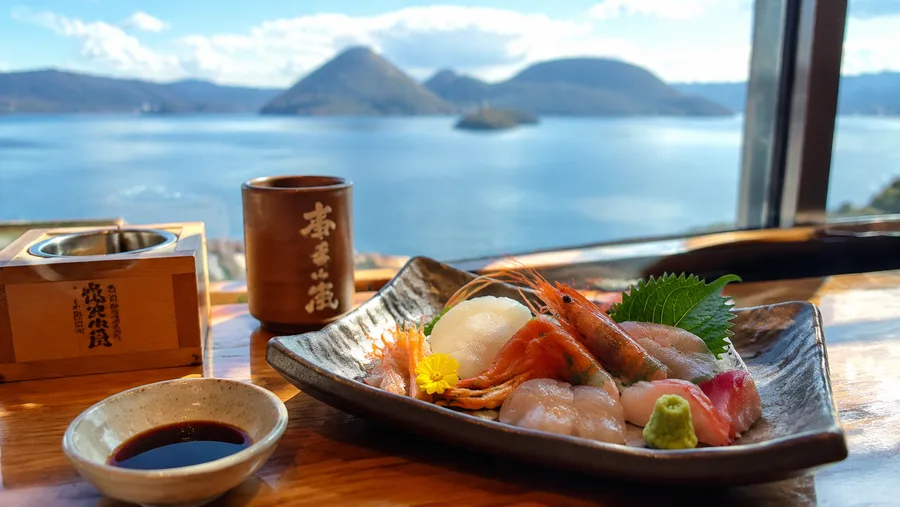
Seafood lovers should pay attention to scallop season. Uchiura Bay produces some of the fattest scallops in Japan, and local diners pride themselves on serving them butter-seared or chopped raw over bowls of warm sushi rice. You do not need a luxury restaurant to get them fresh. Simple roadside shacks along Route 230 serve grilled bivalves fresh off wire racks over burning charcoal, drizzled with standard table soy sauce that bubbles furiously against the hot shells.
| Restaurant | Specialty | Average Cost | Vibe & Location |
|---|---|---|---|
| Boyotei | Yoshoku (Hamburger steak, pork cutlet) | 1,800 - 2,800 JPY | Vintage Showa tearoom, town center |
| Ippon-tei | Bib Gourmand miso ramen | 950 - 1,200 JPY | Casual counter seating, short walk from pier |
| Lake Hill Farm | Artisan gelato, cream puffs | 450 - 800 JPY | Open pastures, Route 230 plateau |
| Toya Saryo | Local wagyu beef, set lunches | 2,400 - 4,500 JPY | Lake views, second floor of Wakasaimo |
| Sobadokoro Kirisugi | Handmade buckwheat noodles | 1,100 - 1,700 JPY | Traditional, quiet tatami seating |
Pastries and Lake Toya Cafe Escapes
The cafe scene here exists in two different worlds. Down along the shoreline, small indie coffee houses hide inside renovated wooden buildings. Up on the high plateau behind the lake, scenic farms turn fresh milk into some of the best dairy products on the northern island.
Lake Hill Farm sits about 15 minutes away by car, perched on a sweeping ridge that looks back at the lake on one side and Mount Yotei on the other. It is nearly impossible to drive past on a sunny day without pulling into the gravel parking lot. The dairy cows graze in the pasture next to the patio, and the kitchen churns their milk directly into gelato. They offer around 16 flavours daily. The milk flavor is shockingly good, tasting purely of sweet cream without any heavy artificial stabilizer, but seasonal batches like sweet corn, pumpkin, and blue cheese are worth trying. Grab a double scoop in a waffle cone, walk out onto the grass lawn, and take in the breeze.
If you prefer bread, stop by Pan de Pan near the town center. The bakery fills its wooden wicker baskets by 8:30 AM with fresh melon pan, crusty baguettes, and Toyako red bean buns. You will see elderly locals lining up with metal tongs before the glass case, picking up savory rolls stuffed with curry or local cheese.
A few cafe stops around the shore to keep on your radar:
- Lake Hill Farm Gelato: the milk and roasted green tea scoops are unbeatable, especially when eaten out in the flower fields behind the barn.
- Pan de Pan: the premier early-morning carbohydrate fix in town, famous for sweet buns and custard-filled pastries that sell out by early afternoon.
- Cafe Kohan: a tiny, quiet place near the water where you can sip pour-over coffee from single-origin beans while reading by a window.
- Hydrangea: sits further along the northern shore, serving light sandwiches and herbal teas in an airy room filled with dried flowers.
Book your lake toya experience:
Lake Toya Breakfast Spots and the Ryokan Dilemma
Here is an honest truth about Lake Toya: finding breakfast outside of your hotel can be an ordeal. Almost every visitor books a half-board package during their ryokan stay around the water, meaning breakfast and dinner are included in the room rate. Because thousands of hotel guests are already eating vast buffet spreads of salted salmon, tamagoyaki, and natto inside their hotel dining halls, independent restaurants see little reason to open before 11:00 AM.
If you booked a room-only stay, do not panic. You just have to plan ahead. Pan de Pan opens earlier than most places, making it your best bet for a flaky croissant and a cup of black coffee. Alternatively, the Seicomart down by the terminal is surprisingly great. Anyone who has spent time in Hokkaido knows that Seicomart is not your average convenience store. Their in-house "Hot Chef" kitchen turns out warm rice balls filled with salted cod roe, fresh fried pork cutlet rice bowls, and cheap cartons of rich local drinking yogurt that beat out most chain hotel buffets anyway.
Note: Very few independent cafes serve a Western-style cooked breakfast of eggs and toast. If morning protein is important to you, consider adding the hotel breakfast package when booking your stay, or rely on convenience store hot counters.
Navigating Evening Lake Toya Dining and Evening Realities
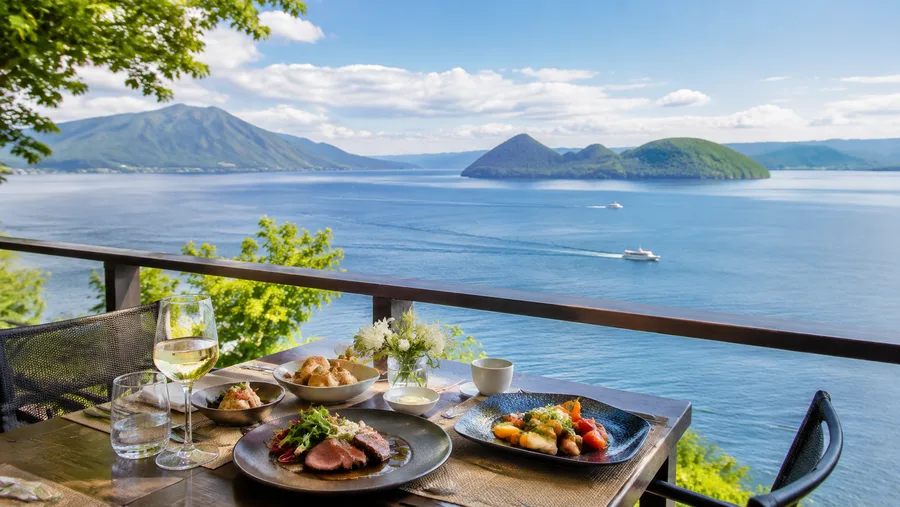
Dinner brings its own set of rules. The town center looks lively between 3:00 PM and 5:00 PM, but as the evening approaches, a hush settles over the streets. Most independent izakayas and noodle shops run on lean family crews. They often close on odd days - Wednesdays and Thursdays are notorious - and if business is slow on a rainy evening, the owners might simply flip the sign and head home at 7:30 PM.
You cannot wander out at 8:30 PM expecting dozens of open doors. If you want dinner in town rather than a ryokan banquet, map out two or three options earlier in the afternoon. Yakitori spots like Torishin grill skewered chicken and local pork over binchotan charcoal, serving cold Sapporo Classic beer to locals and hotel workers who just clocked off their shifts. It is smoky, loud, and cramped, which is precisely why it is great.
A few simple rules make dining out in the evening much smoother:
- Eat early: aim to sit down between 5:45 PM and 6:45 PM to beat the inevitable kitchen closures.
- Carry cash: small izakayas and old noodle counters in the area rarely accept foreign credit cards or smartphone tap-to-pay apps.
- Check the calendar: mid-week dining is sparse, so always have a backup plan like the local convenience stores or hotel lounges.
- Ask your front desk: ryokan receptionists often know which neighborhood izakaya is actually open on any given Tuesday night.
Frequently Asked Questions about lake toya restaurants
What is the most famous food to try in Lake Toya?
Lake Toya wagyu beef, fresh Uchiura Bay scallops, and traditional Wakasaimo sweets are the three iconic regional specialties. The wagyu is famous for its clean marbling, while Wakasaimo is a unique pastry made from white kidney beans, sugar, and kombu seaweed that mimics the texture and appearance of roasted sweet potato.
Do I need restaurant reservations in Lake Toya?
For high-end beef houses or popular spots like Boyotei, reservations are smart during peak summer months and autumn foliage season. Small ramen counters and bakeries do not take reservations, so you should simply arrive early to beat the lunch crowd.
Is it better to eat dinner in the ryokan or at local restaurants?
If your hotel offers a traditional multi-course kaiseki meal, it is usually worth taking, as evening restaurant options in town can be limited and close early. If you prefer variety, staying room-only lets you bounce between casual izakayas, ramen shops, and craft cafes at your own pace.
Quick Reference
- Boyotei: retro Showa-era pork cutlets and siphon coffee
- Ippon-tei: Michelin Bib Gourmand red and white miso ramen
- Lake Hill Farm: farm-fresh gelato on the hillside plateau
- Peak dining hours: lunch 11:30-14:00, dinner 17:30-19:30
- Payment: carry cash for family-run noodle bars and cafes
Book your lake toya experience:
My Take on Eating Around the Lake
You do not come to this part of Hokkaido looking for Michelin-starred tasting menus or rowdy bar districts that buzz until sunrise. The charm of eating here lies in the slower, earthy details: the richness of dairy churned five hundred meters from where the cows sleep, the heat of a red miso broth after walking along the breezy caldera edge, and the crackle of binchotan charcoal in a tiny six-seat izakaya tucked behind an old post office. Treat the local food scene with a little patience, keep some 1,000-yen notes in your pocket, eat an hour earlier than you normally would at home, and you will leave very well fed.
Read more about lake toya.